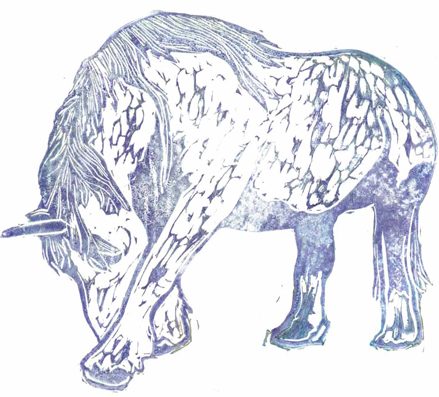

The Unicorn Eradication Project: A Story About Eugenics is the a short film about how ordinary horses decided that they were better than the beautiful and colourful unicorns, pegacorns, and pegasi and worked to get rid of them. After the story, there’s a short, documentary about eugenics.
This film is made for children, but caregivers should watch it with them and be prepared to have a conversation about it afterwards.
This page contains information about some of the historical events the story is based on.
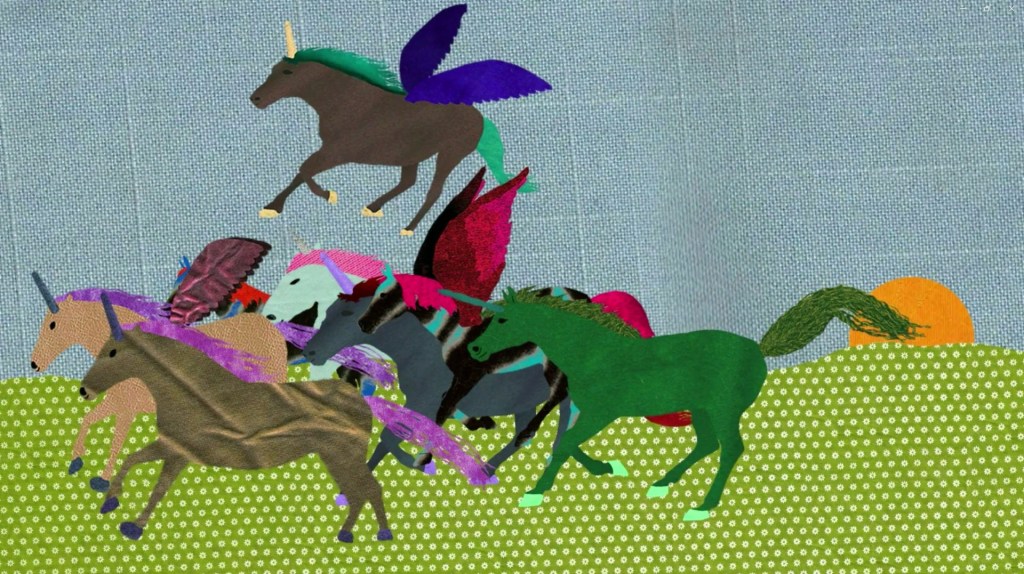
There were lots of different kinds of horses with many diverse colours.
There are lots of differences and variations among people. We come in all different shapes and sizes, with all different things that we’re interested in and good at. Most people have two arms and 10 fingers but millions of people have a different number. Some people use wheelchairs to move around instead of walking – this gives them a different and valuable perspective on the world from what most people have.

They all used to share from the river but now only some horses were allowed to drink from it.
The land in what we now call Canada and the United States didn’t used to be considered private property only some people could access. When white people came, they claimed the land for their governments and the government started dividing up the land for people to buy and sell. Sometimes, there were agreements, called treaties, between Indigenous governments and white governments about who could use the land and how they could use it. There are many examples of how white people lied when making these agreements and of how they broke these agreements. There are also many places where treaties were never signed, like almost all of the province of British Columbia, or where they were only signed with one nation that used the land even though several nations had shared the area.1
Indigenous people were given small areas of land to live in. In the United States these were named “reservations” and in Canada they were named “reserves.” Sometimes people were forced to move to these lands. In the United States, many people were forced to march hundreds of miles away from their traditional territories – thousands of people died along the way. In Canada, they made it illegal for Indigenous people to leave the reserve without written permission from someone, called an Indian agent, who worked for the government. Many white people, including the Canadian and American governments (as well as the British and French monarchies that came before them) got rich off of the resources from the land. At the same time, Indigenous people often didn’t have access to enough land to carry out their traditional ways of life – like hunting and fishing, were made poor, and kept in segregated land systems. This is called colonialism and it continues today. Governments still break treaties and take resources from the land and Indigenous people are oppressed.2

They wanted more food, more land, and less work.
We live in an economic system is called capitalism. Some people are owners and most people are workers. The owners sell the stuff that the workers make, or they sell workers’ services (like performing in a circus or cutting hair). The owners pay workers as little as possible for their work so the owners can keep what is leftover (the profit). The owners try to get the workers to compete for jobs. Owners want there to be lots of poor people so that more people want jobs and they can pay people less money for working. Today, the world’s 10 richest people have more then the poorest half of the world’s population combined.3
Lots of the owners became owners because people in their families were owners. Somewhere down the line, owners usually got what they have through injustice. Sometimes it is through war, sometimes through colonialism, and sometimes through taking over shared resources. Some of the people who decided that they wanted to work less also decided that they could own human beings and make them do work without being paid – this is called slavery.4
In the US and Canada, Black people were enslaved. Black people were taken from their homelands in Africa and forced onto boats for long journeys across the ocean, treated badly, and many people died. Once in North America, or Europe, they were bought and sold as property. Enslaved people’s children were also considered property. Black enslaved people were forced to work very hard, doing difficult jobs; many were beaten and many were killed. Slavery ended in Canada in 1834 at in the US in 1865.5
They built factories.
The industrial revolution was a giant shift in how things were done in North America and Europe. It began in Britain around 1760 and lasted there until about 1840. Before then, people mostly worked on farms and made stuff to use and to sell in their homes. The industrial revolution was a time when lots of things began being manufactured in factories and many people moved to cities for jobs.6
The factories were not designed with them in mind.
In the factories and new kinds of workplaces that were created as part of the industrial revolution, people were expected to work in a specific way – especially on assembly lines. People were expected to fit into set jobs, rather than be accommodated. Anyone who couldn’t work at the same speed, or did things differently than most people (because they used their feet instead of their hands, for example) would get fired or wouldn’t get hired in the first place. This was really different than what came before when most people worked on farms at the pace that made sense for them.7
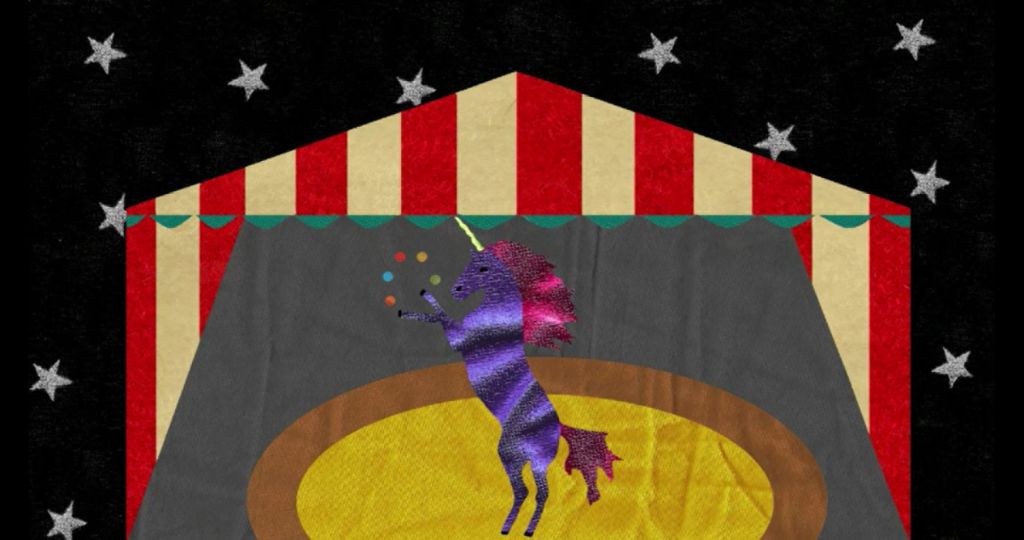
Some of the horses started circuses
“Freak shows” were often a part of circuses and they also toured around on their own. People who were considered very abnormal – when they were compared to nondisabled white men, were put on display for the entertainment of the people who are considered normal. The people called “freaks” were largely racialized people, physically disabled people, and people crossing gender lines (like “bearded ladies”). Unlike in the story, freak shows weren’t started by the people being called “freaks.” These circuses took advantage of the people being called “freaks” and made lots of money, often using racist, ableist, and sexist stereotypes. The “freaks” usually weren’t paid very much and were treated badly.8
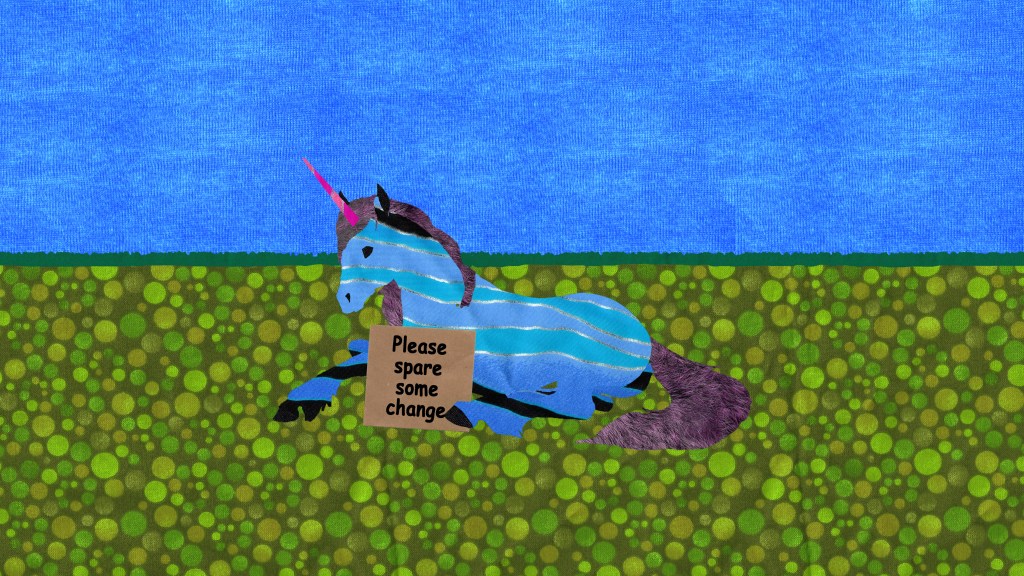
Without any land or money, some of them asked other horses for money.
Then, like now, some people were very rich, and some people were very poor. The owners could use the things that they owned to get more things to own while the workers just had to keep working. If this doesn’t seem very fair to you, there’s a reason for that – it’s because it isn’t fair.
The eugenic movement started shortly after the industrial revolution. Eugenics provided the perfect explanation for why the owners were rich and kept getting richer and the workers were poor and kept getting poorer. Instead of changing things, the people who were doing well under capitalism, colonialism, and racism said that the problem was the people who were suffering – not the system that was making them suffer. Eugenics gave those in power a justification for their power. Eugenics also gave them a story to explain the injustices and inequalities that industrial capitalism and colonialism brought forth: the people who were struggling had something wrong with their biology. This is not true but they believed it and started making new rules based on it.9
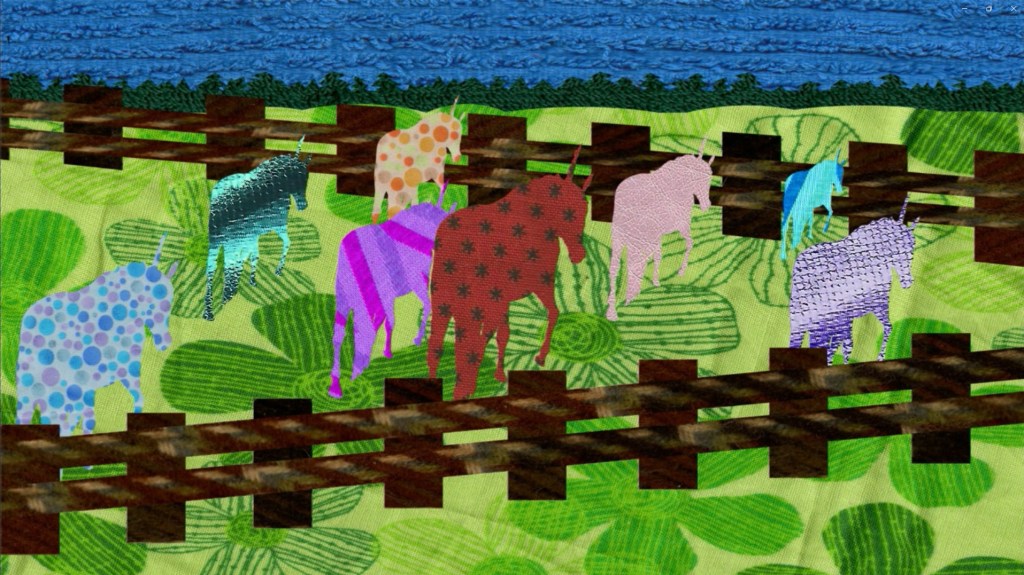
They set-up places they were forced to go and could never leave.
Because the people in power believed that the problem was the biology of the people who were having a hard time, the powerful decided those struggling shouldn’t have babies. Institutions were created to keep men and women apart so there would be no new children. There were different kinds of institutions for different kinds of people. Special institutions were set up specifically to imprison disabled people so they wouldn’t be able to have kids. Asylums held people who were considered to be mentally ill – this included a lot of LGBTQ people and women who weren’t lady-like. Poor people were put into institutions called poorhouses, or workhouses; families were split up and men and women were kept separately. Poorhouses, asylums and institutions for disabled people mostly held white people who were considered “unfit” while prisons held mostly Indigenous people, Black people and people of colour. In the United states, there were special laws called the “Black Codes” that only applied to Black people – if they broke them, they would be thrown in jail. Canada had laws that only applied to Indigenous people. All of these kinds of institutions made anybody who was physically able work in them – often doing difficult, painstaking work. These were terrible places with mean rules and lots of people died there.10
Today, they are different, but institutions still exist where people have to live – even if they don’t want to – because they are not considered normal or need help with things in their day-to-day lives. these places still have lots of rules and sometimes treat people very badly.11
While special laws for Indigenous and Black people don’t exist anymore, the police focus more on Indigenous and Black communities and the courts give them longer jail sentences for the same crimes as white people*. These communities have way more people in prison than white people do – especially Indigenous and Black communities. It keeps people segregated and impacts peoples’ abilities to have kids – even today.12
Both Canada and the US also brought in racist immigration laws to keep the people out who they thought weren’t good. Canada had what it called the “Chinese Head Tax” from 1885-1923 which made it very expensive for Chinese people to come to Canada. In 1923, Canada banned Chinese people from immigrating. The ban lasted until 1947. Both the head tax and the immigration ban were racist and based on the idea that Chinese people weren’t good enough to be Canadian. The US also banned Chinese people with the Chinese Exclusion Act, banning Chinese labourers, in 1882.13 It lifted the Exclusion Act in 1943 but kept the rules so tight, Chinese immigration was essentially stopped until 1965.
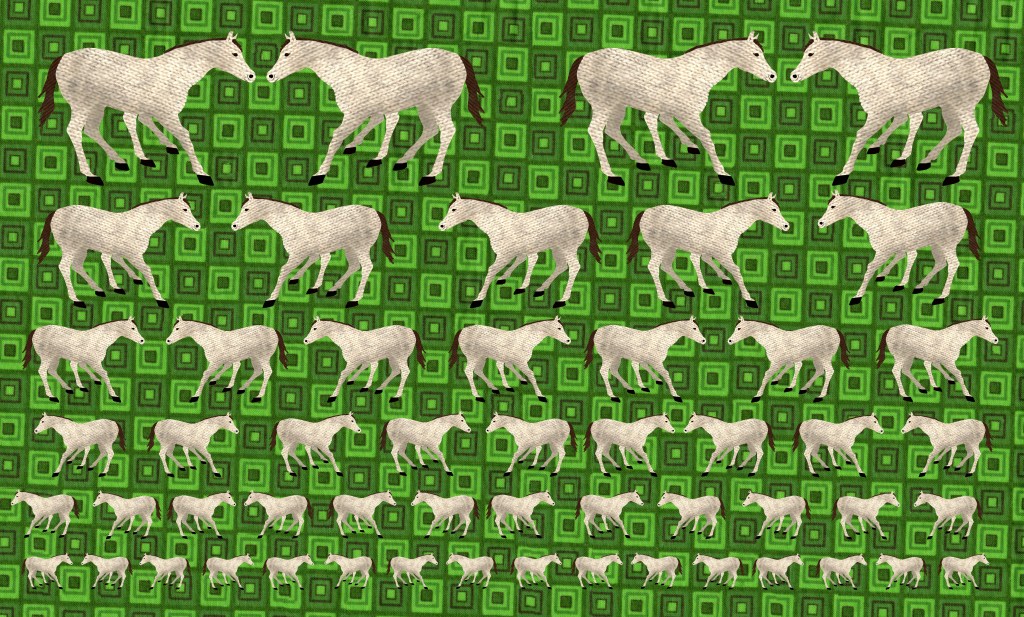
Breeding programs started to get rid of all the unicorns and pegasi.
Officials gave out prizes to people who had children who are considered to be “good” under eugenics. Competitions were held at regional fairs to see who produced the best families. Awards for who bred the best pigs and cows were given out at these same fairs.14
Many forced sterilizations and other practices to stop certain people from having babies have been in place in Canada and the United States. Have not being forced or tricked into being sterilized when they’re giving birth or right after they have birth in both Canada and the United states. In the US, welfare laws have been used to keep women from having babies by being sterilized or using long-term birth control. Today, there are 13 states that have rules in place that mean people on welfare cannot get more money if they have more children. These rules impact poor women – especially Black women. The threat of withdrawing welfare was used to get people to agree to be sterilized in the 1970s. Up to 200,000 mostly Black and Indigenous people were sterilized in 1972 alone.15
There are also special places people can go to get help to have babies, called fertility clinics, but some people aren’t considered good enough to be able to have babies. This includes a lot of disabled people and, in the United States, it includes gay men.16
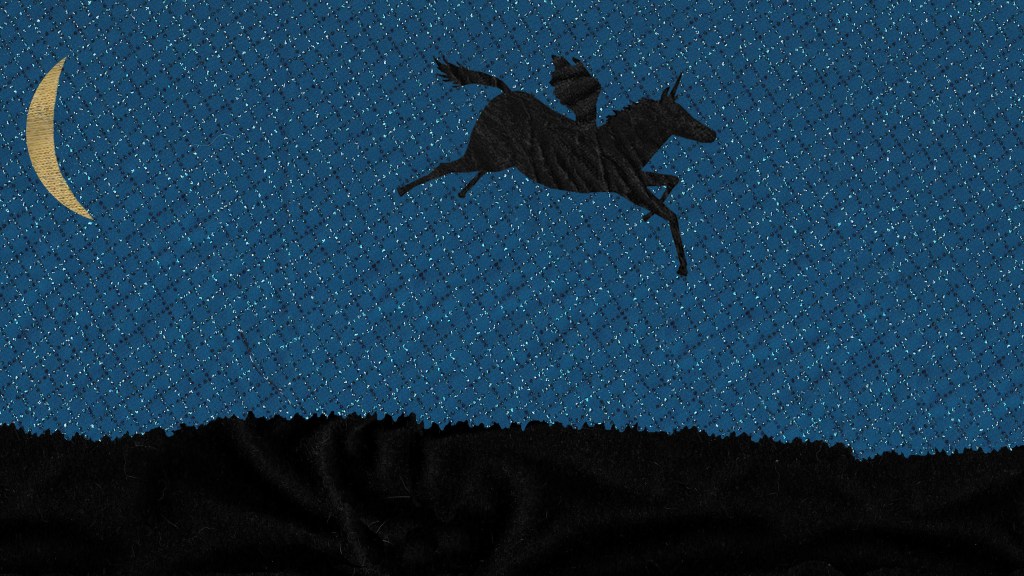
One day, a very special pony was born.
There is hope.
Eugenics can never truly get rid of human difference. New, wonderfully diverse people are born every day.
People are coming together, caring for each other, supporting each other, and fighting hate and oppression. Each of us can play a part in fighting eugenics and oppression.
Notes:
- Wright, R. (1992). Stolen Continents: The Americas Through Indian Eyes Since 1492. Houghton Mifflin; Yellowhead Institute. (2019). Land back: A Yellowhead Institute red paper. Yellowhead Institute.
- Wright, R. (1992). Stolen Continents: The Americas Through Indian Eyes Since 1492. Houghton Mifflin; Yellowhead Institute. (2019). Land back: A Yellowhead Institute red paper. Yellowhead Institute.
- Agencies, “Super-Rich Thrive as Millions More Pushed into Poverty: Oxfam,” Daily Sabah, January 17, 2022; Ellen Clifford, The War on Disabled People: Capitalism, Welfare and the Making of a Human Catastrophe (London: Zed Books, 2020); Condé Nast, “Everything You Need to Know About Capitalism,” Teen Vogue, April 11, 2018.
- Kehinde Andrews, “The West’s Wealth Is Based on Slavery. Reparations Should Be Paid,” The Guardian, August 28, 2017, sec. Opinion; Becky Clifford, “An Enslaved Alabama Family and the Question of Generational Wealth in the US,” OUPblog, June 15, 2022; Jude Knight, “Wealth Inequality in History,” Jude Knight Storyteller, 2021; Clint Smith, How the Word Is Passed: A Reckoning with the History of Slavery Across America (Little, Brown, 2021).
- Canadian Museum for Human Rights, “The Story of Slavery in Canadian History,” accessed January 6, 2023; Smith, How the Word Is Passed.
- Freddie Wilkinson, “Industrialization, Labor, and Life,” National Geographic, October 19, 2023; Robert Carson Allen, The Industrial Revolution: A Very Short Introduction, A Very Short Introduction 509 (Oxford: Oxford University Press, 2017).
- Douglas C Baynton, “‘These Pushful Days’: Time and Disability in the Age of Eugenics,” Health & History 13, no. 2 (2011): 43–64.
- Lynchburg Museum, “Sideshows,” Lynchburg Museum System; University of Sheffield, “History of Freak Shows,” National Fairground and Circus Archive.
- Baynton, “These Pushful Days‘”; A. J. Withers, Disability Politics and Theory, Revised and Expanded Ed. (Black Point: Fernwood, 2024).
- Withers, Disability Politics and Theory; Chris Chapman and A.J. Withers, A Violent History of Benevolence: Interlocking Oppression in the Moral Economies of Social Working (Toronto: University of Toronto Press, 2019); PBS, “The Black Codes | Reconstruction,” PBS LearningMedia; Angela Y. Davis, Are Prisons Obsolete? (New York: Seven Stories Press, 2003).
- Liat Ben-Moshe, Decarcerating Disability: Deinstitutionalization and Prison Abolition (Minneapolis: University of Minnesota Press, 2020); Liat Ben-Moshe, Chris Chapman, and Allison C Carey, Disability Incarcerated: Imprisonment and Disability in the United States and Canada (New York: Palgrave Macmillan, 2014).
- Crystal M. Hayes, Carolyn Sufrin, and Jamila B. Perritt, “Reproductive Justice Disrupted: Mass Incarceration as a Driver of Reproductive Oppression,” American Journal of Public Health 110, no. Suppl 1 (January 2020): S21–24; Rai Reece, “Carceral Redlining: White Supremacy Is a Weapon of Mass Incarceration for Indigenous and Black Peoples in Canada” (Toronto: Carceral Redlining, June 25, 2020); Leah Wang, “The U.S. Criminal Justice System Disproportionately Hurts Native People: The Data, Visualized” (Prison Policy Iniative, 2021).
- Arlene Chan and Andrew MacIntosh, “Chinese Head Tax in Canada,” in The Canadian Encyclopedia, 2020; National Archives, “Chinese Exclusion Act (1882),” September 8, 2021.
- Jessica Brabble, “Better Beans and Better Genes: Agriculture and Better Baby Contests at Early-Twentieth Century State Fairs,” Journal of the North Carolina Association of Historians 28 (September 1, 2020).
- The Standing Senate Committee on Human Rights, “The Scars That We Carry: Forced and Coerced Sterilization of Persons in Canada – Part II” (Ottawa: Senate of Canada, 2022); Molly Ladd-Taylor, “Fitter Family Contests,” in The Eugenics Archives, 2014; Dorothy Roberts, Killing the Black Body: Race, Reproduction, and the Meaning of Liberty (Knopf Doubleday Publishing Group, 1998); Urban Institute, “Welfare Rules Database Selected Rules: Custom Search,” Welfare Rules Database, accessed December 24, 2022,; Molly O’Toole, “19 Women Allege Medical Abuse in Georgia Immigration Detention,” Los Angeles Times, October 23, 2020, sec. Politics, Angela Davis, Women, Race & Class (New York: Vintage Books, 1983); Yvonne Boyer and Judity Bartlett, “External Review: Tubal Ligation in the Saskatoon Health Region: The Lived Experience of Aboriginal Women,” July 11, 2017.
- Withers, Disability Politics and Theory; Davis, Women, Race & Class; Ladd-Taylor, “Fitter Family Contests”; Roberts, Killing the Black Body; Urban Institute, “Welfare Rules Database Selected Rules”.
